
The role of diet in preventing hair loss
Preface on the importance of a balanced diet
Hair loss is a common concern that affects many people. Natural treatments for this condition are becoming increasingly popular due to their effectiveness and lack of side effects. However, it is important to understand that internal imbalances, such as poor nutrition, often exacerbate this problem. A well-balanced diet is crucial for maintaining overall health, including hair health.
Link between poor diet and hair loss
A diet low in essential nutrients can accelerate hair loss. Deficiencies in vitamins and minerals such as iron, vitamin D, and zinc directly affect the vitality of hair follicles. In addition, excessive consumption of saturated fats and a lack of protein can weaken the hair structure, making it more vulnerable to damage.
Dietary supplements to combat hair loss
To compensate for nutritional deficiencies, dietary supplementation is an effective option. Supplements rich in biotin, iron, and zinc can promote healthy hair growth. However, it is always advisable to consult a healthcare professional before starting any supplementation to ensure that individual needs are met.
Key foods for optimal hair health
Eating a diet rich in specific nutrients helps prevent hair loss. Here are some food categories to focus on for healthy, strong hair:
Proteins: a fundamental element
Hair is mainly composed of keratin, a strong and structurally rigid protein. Therefore, sufficient protein intake is essential. High-quality protein sources such as chicken, fish, eggs, and legumes provide the amino acids needed to stimulate hair growth and strengthen its structure.
Vitamins: an essential nutrient
Vitamins play a crucial role in hair health. Vitamin C, found in citrus fruits and berries, helps strengthen hair follicles. It also promotes iron absorption. Vitamin E, found in nuts and seeds, promotes good blood circulation in the scalp, improving overall hair health.
Minerals: invisible but crucial role
Minerals such as zinc and iron are essential for preventing hair loss. Zinc, found in pumpkin seeds and spinach, plays a role in repairing hair tissue. Iron, mainly found in red meat and dark leafy vegetables, transports oxygen to the follicles, stimulating their growth.

Natural topical treatments to combat hair loss
Introduction of topical treatments for hair loss
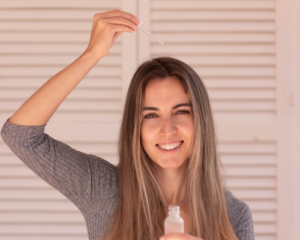
Modern medicine offers various solutions for treating hair loss, but many people are turning to natural topical treatments for their benefits without side effects. These treatments involve applying beneficial substances directly to the scalp, which nourishes hair follicles and stimulates growth. This approach has become the preferred choice for those seeking to avoid harsh chemicals.
Essential oils to strengthen hair
Essential oils, extracted from plants, have powerful therapeutic properties. When applied correctly, they can strengthen hair, improve scalp health, and stimulate growth. Here are some of the most effective essential oils for treating hair loss:
Castor oil: a powerful treatment
Castor oil is known for its ability to promote hair growth thanks to its high content of omega-9 fatty acids and vitamin E. These nutrients penetrate deep into the scalp, nourishing the follicles and strengthening the hair fiber. To maximize its benefits, gently apply castor oil to the scalp once or twice a week, massaging lightly to stimulate blood circulation.
Jojoba oil: hydration above all else
Jojoba oil is particularly effective for those who suffer from dry scalp, which can contribute to hair loss. Its moisturizing properties mimic the skin's natural sebum, maintaining a healthy moisture balance and preventing hair from drying out. Regular application of jojoba oil to the scalp helps preserve the hair's suppleness and elasticity, protecting it from breakage and damage.
Rosemary oil: stimulation and revitalization
Rosemary essential oil is renowned for its stimulating effects on blood circulation in the scalp. This stimulation is crucial for activating dormant hair follicles and encouraging hair regrowth. In addition, rosemary oil has antioxidant properties that help prevent damage caused by free radicals. To use it, mix a few drops of rosemary oil with a carrier oil such as olive oil, then apply it to the scalp, massaging gently.
Other natural topical treatments
In addition to essential oils, other natural ingredients can be applied directly to the scalp to promote hair health.
Aloe vera gel: soothing and regenerating
Aloe vera gel is known for its soothing and moisturizing properties. It helps reduce redness and irritation of the scalp, while promoting cell regeneration. Regular application can not only soothe the scalp but also strengthen hair roots, thereby reducing hair loss.
Apple cider vinegar: pH balancing
Apple cider vinegar is excellent for balancing the pH of the scalp, which is essential for preventing hair loss. It has antifungal properties that reduce the growth of yeast and fungi that can damage hair follicles. To use it, dilute apple cider vinegar in water and rinse your hair after shampooing for optimal results.
“`
See also: What hairstyles can you create with wax?
"`html
Relaxation techniques and stress management to limit hair loss
The impact of stress on hair health
Stress plays a significant role in hair loss. When we are stressed, our bodies produce hormones such as cortisol, which can disrupt the hair growth cycle. This can weaken hair follicles, causing premature hair loss. Understanding the impact of stress on our hair health is crucial to developing effective prevention strategies.
Meditation and mindfulness to calm the mind
Practicing meditation and mindfulness can significantly reduce stress levels. These techniques encourage focus on the present moment, helping to calm the mind and reduce anxious thoughts. Incorporating meditation into your daily routine not only improves mental health, but also supports hair health by minimizing the negative effects of stress.
Controlled breathing exercises
Controlled breathing exercises, such as deep breathing or cardiac coherence, can help lower the heart rate and reduce cortisol production. By practicing these exercises regularly, you can create a state of relaxation that promotes better hair health. It can be as simple as taking several deep breaths, holding your breath for a few seconds, and exhaling slowly.
Yoga for mind-body balance
Yoga is an ancient practice that combines physical postures, breathing exercises, and meditation. It is particularly beneficial for reducing stress and promoting a calm state of mind. Different yoga postures can help stimulate blood flow to the scalp, thereby improving the supply of essential nutrients to the hair follicles.
Yoga poses that are good for your hair
Postures such as Child's Pose (Balasana) and Downward-Facing Dog (Adho Mukha Svanasana) are known to stimulate blood circulation in the scalp, promoting healthy hair. It is advisable to incorporate these postures into your daily routine to maximize their benefits. In addition, yoga promotes better stress management, which is crucial for slowing hair loss.
Scalp massages for relaxation
Scalp massages are an excellent way to combine relaxation and hair stimulation. By gently massaging the scalp with circular movements, you can improve blood circulation, strengthen hair follicles, and encourage hair growth. Using essential oils during the massage can also offer additional benefits.
Choosing oils for massage
Lavender oil and peppermint oil are particularly effective when it comes to scalp massage. Lavender oil is known for its soothing properties that help reduce stress, while peppermint oil can stimulate hair follicles by increasing blood flow. Apply a few drops to the scalp before massaging for optimal results.
The importance of adopting a balanced lifestyle
Adopting a balanced lifestyle is essential for overall health, including hair health. This involves maintaining a healthy diet, getting enough sleep, exercising regularly, and finding time for rest and relaxation. By following these principles, you can significantly reduce stress and its negative effects on your hair.
“`

The role of lifestyle habits in preventing hair loss
Improve sleep habits
Quality sleep is essential for overall health, including hair health. During sleep, the body regenerates and repairs tissues, including hair follicles. Lack of sleep can disrupt this process and lead to increased stress, promoting hair loss. It is advisable to aim for seven to nine hours of sleep per night to promote healthy hair.
Create a soothing sleep routine
To improve sleep quality, it is helpful to establish a relaxing nighttime routine. This may include reading, meditating, or taking a warm bath before bed. Electronic devices that emit blue light should be avoided, as they can disrupt the production of melatonin, a hormone that regulates sleep.
Limit exposure to chemicals
Excessive use of hair products containing harsh chemicals can damage the hair and scalp, leading to hair loss. It is recommended to opt for natural, gentle products that effectively cleanse and nourish the hair without causing irritation or dryness.
Choose sulfate-free shampoos
Sulfate-free shampoos are a gentler option for the scalp and hair. They preserve the hair's essential natural oils, preventing dryness and breakage. Switching to products containing natural ingredients such as aloe vera and plant extracts can also promote healthier hair.
Engage in regular physical exercise
Regular exercise improves blood circulation, which helps deliver more nutrients to hair follicles. This not only contributes to hair health, but also to better overall mental and physical health, reducing stress levels that negatively impact hair growth.
Beneficial physical activities
Incorporating activities such as walking, jogging, swimming, or cycling into your daily routine is an excellent way to promote blood circulation and the distribution of nutrients essential for healthy hair. At least 30 minutes of moderate exercise each day is enough to achieve noticeable benefits.
FAQs about natural treatments for hair loss
- Are natural treatments as effective as drug treatments?Natural treatments can be very effective for hair loss, especially when combined with a balanced diet and healthy lifestyle habits. However, depending on the case, some people may require medical treatment.
- How long does it take to see results from natural treatments?Results may vary depending on the cause of hair loss and the regularity of treatments. In general, it can take several weeks to several months to see a noticeable improvement.
- Can natural treatments be used in addition to conventional treatments?Yes, natural treatments can generally be used to complement conventional treatments after consulting a healthcare professional to avoid adverse interactions.
- Should essential oils be diluted before application?Often, yes. Essential oils are concentrated and can cause irritation if they are not diluted in a carrier oil before application to the scalp.
- Is stress-related hair loss reversible?In most cases, stress-induced hair loss is temporary and reversible once the stress is managed and the normal hair growth cycle is restored.