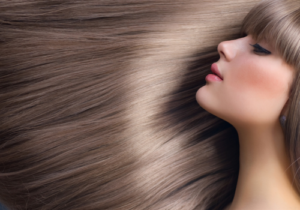

Introduction to shampoo and conditioner
Definition and role of shampoo
How shampoo cleans hair
Shampoo is an essential product in our daily hair care routine, mainly used to cleanse the scalp and hair. It works by removing dirt, excess oil, and styling product residue using surfactants. These agents dissolve impurities so they can be easily rinsed away, leaving the scalp feeling fresh and clean. A good cleansing shampoo helps maintain the balance between cleanliness and hydration, preventing the hair from drying out.
Different types of shampoos
There are many different shampoos available for different hair types and specific needs. Here are a few examples:
- Moisturizing shampoo : Designed to nourish dry and brittle hair.
- Volumizing shampoo: Ideal for adding volume to fine, flat hair.
- Clarifying shampoo: Used to rid hair of buildup from styling products and mineral deposits.
- Anti-dandruff shampoo: Formulated to treat and prevent dandruff by soothing itchy scalps.
Choosing the right shampoo therefore depends on your hair type and specific hair concerns.
Definition and function of conditioner
The benefits of conditioner for hair
Conditioner is a complementary product to shampoo, whose main purpose is to nourish and repair hair after washing. It helps seal the hair cuticle, which reduces porosity and retains moisture. This action makes hair softer, shinier, and easier to style. In addition, conditioner provides protection against breakage and external aggressions such as pollution and heat from styling tools.
Various types of conditioners
Just like shampoo, there are different types of conditioners to meet various hair needs:
- Moisturizing conditioner: Ideal for dry hair that needs extra moisture.
- Detangling conditioner: Designed to make it easier to detangle difficult-to-style hair.
- Volumizing conditioner: Adds volume and texture to fine hair.
- Hair masks : Often used as an intensive treatment to provide deep nourishment and repair.
The right choice of conditioner will therefore depend on the specific needs of the hair and the results expected by the user.

Separating fact from fiction: using shampoo and conditioner at the same time
Common opinions regarding the use of shampoo and conditioner
Popular beliefs and myths
The combined use of shampoo and conditioner is a topic of much debate among consumers. A common misconception is that regular use of conditioner weighs hair down, especially for people with fine hair. Some also believe that frequent use of conditioner can make hair greasy more quickly due to excessive product build-up. However, these beliefs are often based on personal experience and can be mitigated by using the right products for each hair type.
Concerns about overuse
Another common concern is the overuse of these products in hair care routines. Consumers worry that daily use of shampoo and conditioner will weaken the hair fiber, causing excessive dryness or dependency. These concerns often stem from the fact that some products may contain ingredients that are harsh on the hair. However, choosing sulfate- and silicone-free formulas that favor natural ingredients can help alleviate these concerns by offering gentle care that is suitable for frequent use.
What do hair experts say?
Scientific analyses of shampoo and conditioner use
Hair experts and scientific studies abound on the benefits of a routine that includes both shampoo and conditioner. Shampoo is designed to deeply cleanse the hair and remove impurities and sebum. Conditioner, on the other hand, is designed to rehydrate and restructure the hair, compensating for the potentially drying effects of shampoo. This duo forms a balanced combination that is essential for keeping hair healthy and strong.
Testimonials from hairstyling professionals
Professional hairdressers emphasize the importance of adapting products to the nature of each hair type. For example, for colored or damaged hair, they recommend using conditioners enriched with proteins or natural oils, while for hair prone to oiliness, a light, non-greasy conditioner is preferable. Many professionals also recommend washing hair less frequently and rinsing with cold water to tighten the cuticles and maximize the benefits of hair care products. These personalized adjustments optimize the effectiveness of the products while maintaining the integrity of the hair.
In conclusion to this section, it is clear that judicious and appropriate use of shampoo and conditioner can significantly improve the health and appearance of our hair. By paying attention to the specific needs of each hair type, it is possible to get the most out of these two complementary products.
See also: Which natural treatments are best for hair loss?
Factors to consider when using shampoo and conditioner
Hair types and personal preferences
Characteristics of dry hair
Dry hair requires special attention when choosing hair care products. It tends to be brittle and often lacks elasticity. For this type of hair, it is essential to choose moisturizing shampoos and conditioners that deeply nourish the hair fiber. Ingredients such as argan oil, shea butter, and glycerin are often preferred for their ability to provide long-lasting hydration.
Characteristics of oily hair
Oily hair, on the other hand, produces excess sebum, often giving the impression of being heavy and dirty more quickly. It is advisable to choose purifying shampoos that gently remove excess sebum without damaging the scalp. For conditioner, a light formula is recommended so as not to weigh down the hair even more. Ingredients such as clay or citrus extracts can help regulate sebum production.
Colored and chemically treated hair
Hair that has undergone chemical treatments such as coloring or straightening requires specific care to maintain its integrity. Shampoo and conditioner must be specifically formulated for colored hair, often enriched with color protectors and nourishing active ingredients, such as silk proteins or natural oils, to prolong the color's shine while preventing breakage and dryness.
Environmental impact and ethical choices
Environmental considerations in product selection
More and more consumers want to make greener choices. Opting for eco-friendly shampoos and conditioners helps reduce your environmental footprint. Solid hair care products, for example, are becoming increasingly popular because they avoid the use of plastic. In addition, choosing formulas with organic or sustainably sourced ingredients can help minimize environmental impact.
Brand ethics and transparency
The choice of hair care products can also be influenced by ethical considerations. Consumers may opt for brands that are committed to respecting human and animal rights. Certifications such as “Cruelty-Free” or “Vegan” can guide these choices. In addition, transparency about the supply chain and manufacturing conditions can play a crucial role in the purchasing decision.
Frequency of use and adaptation of care
Washing frequency
The frequency with which shampoo and conditioner are used depends largely on hair type and lifestyle. People with dry hair can wash their hair less often, allowing the scalp to produce enough sebum to protect and moisturize naturally. Conversely, oily hair may require more regular washing to control excess sebum.
Changing hair care needs
It is important to note that hair needs can change over time depending on various factors such as age, climate, and hormonal changes. It may be beneficial to regularly reevaluate the products used and adjust your hair care routine accordingly to best meet your hair's current needs.

Alternatives and supplements to shampoo and conditioner use
Alternative cleaning methods
Co-washing
Co-washing, or washing with conditioner only, is a popular method among those looking to reduce their use of traditional shampoo. It involves using a gentle cleansing conditioner to purify the hair without the foaming agents found in shampoo, thereby limiting dryness.
Dry shampoos
Dry shampoos offer a convenient alternative between washes. These products absorb oil and instantly refresh the scalp and hair without water. They are particularly useful for spacing out washes and minimizing exposure to water for specific hairstyles or colored hair.
Incorporation of additional hair treatments
Hair serums and oils
Hair serums and oils can be used in addition to shampoo and conditioner to add extra shine and protect hair from external aggressions. Oils such as coconut or jojoba have nourishing properties that penetrate deep into the hair fiber.
Nourishing masks
Hair masks provide intensive care to revitalize damaged or dull hair. They are often enriched with essential nutrients and can be used once or twice a week to improve hair texture and strength.
Minimalist approaches
The “no poo” technique”
The “no poo” method involves not using commercial shampoo, but rather cleaning the hair with natural solutions such as baking soda or apple cider vinegar, aiming to achieve a natural balance of the scalp.
Reduced use of products
Some people choose to reduce the number of hair products they use in order to minimize their hair's exposure to chemical ingredients. This minimalist approach encourages less frequent washing and a routine limited to a few essential products.
FAQs on using shampoo and conditioner
Should I use conditioner if I have oily hair?
Yes, but choose a light or oil-free conditioner specifically formulated for oily hair to avoid weighing it down.
Can dry shampoo replace my regular shampoo?
No, dry shampoo helps absorb excess oil between washes, but it doesn't clean deeply. It should be used as a supplement, not a replacement.
Is there a risk in never using conditioner?
Yes, not using conditioner can lead to drier, more brittle hair, as this step helps to nourish and protect the hair after washing.
How many times a week should I use conditioner?
The frequency depends on the hair type and condition of the scalp. Generally, use after each wash is recommended for optimal results.
Can conditioner be replaced with a hair mask?
Hair masks offer a more intensive treatment and do not necessarily replace conditioner, but can be used as a supplement depending on hair care needs.