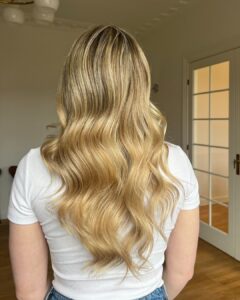

To achieve strong, healthy hair, it is essential to pay attention to your diet. The nutrients you consume every day have a direct impact on the health of your hair. This article explores how a balanced diet can strengthen hair and promote growth.
Introduction to nutrition that promotes hair growth and health
General description of the importance of good nutrition for hair
Hair is mainly composed of keratin, a protein that requires a constant supply of nutrients to remain strong. A diet rich in essential vitamins and minerals can not only prevent hair loss, but also stimulate hair growth. Poor dietary choices, on the other hand, can lead to dull, brittle hair.
Developing the interrelationship between diet and hair health
Diet plays a crucial role in hair health, particularly through proteins, vitamins, and minerals. Each hair follicle is nourished by small blood vessels that provide the necessary nutrients. Therefore, nutritional deficiencies can deprive hair of these nutrients, which can slow down hair growth and reduce its strength.
Certain nutrients are particularly beneficial for hair:
- Protein : They form the basis of the hair fiber and are essential for keratin synthesis.
- Omega-3 fatty acids : They moisturize the scalp and add shine to the hair.
- Zinc and iron: These minerals strengthen hair follicles and prevent hair loss.
- Vitamins A, B, C, D, and E: They are crucial for various metabolic processes related to hair health.
By incorporating these nutrients into your diet, you can promote healthy hair and avoid problems such as breakage or excessive hair loss.
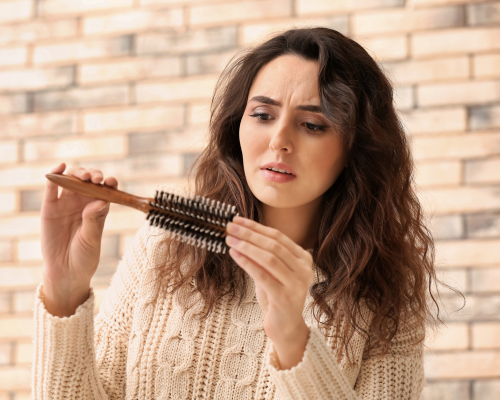
Vitamins and minerals essential for healthy hair
Vitamin A
Food sources of vitamin A
- Carrots
- Sweet potatoes
- Spinach
- Kale
- Red peppers
- Beef liver
Role and benefits of vitamin A for hair
Vitamin A contributes to the production of sebum in the scalp, a natural lubricant that keeps hair moisturized and shiny. A vitamin A deficiency can lead to dry, brittle hair, increasing the risk of hair loss.
Vitamin B (Biotin, B12)
Food sources of vitamin B
- Eggs
- Nuts and seeds
- Lawyers
- Fish
- Chicken
- Leafy green vegetables
Role and benefits of vitamin B for hair
B vitamins, particularly biotin, are known for their role in hair growth. They help strengthen the keratin structure, nourishing hair follicles and improving hair resilience. Biotin can also prevent hair loss and improve hair elasticity.
Vitamin C
Food sources of vitamin C
- Oranges
- Papayas
- Kiwi
- Strawberries
- Broccoli
- Green peppers
Role and benefits of vitamin C for hair
Vitamin C is essential for the synthesis of collagen, a protein that strengthens the blood vessels supplying nutrients to the hair follicles. It also acts as a powerful antioxidant, protecting hair from environmental damage.
Iron
Food sources of iron
- Red meat
- Fish
- Lenses
- Spinach
- Pumpkin seeds
- Tofu
Role and benefits of iron for hair
Iron plays a crucial role in transporting oxygen to hair follicles, promoting hair growth. Iron deficiency can lead to anemia, which is often associated with hair loss. Adequate iron intake therefore contributes to hair vitality and longevity.
Zinc
Dietary sources of zinc
- Oysters
- Lean meats
- Pumpkin seeds
- Cashew nuts
- Chickpeas
- Fortified cereals
Role and benefits of zinc for hair
Zinc is vital for tissue repair and optimal functioning of the glands surrounding the hair follicles. It helps balance hormone levels, which is crucial for preventing hair loss. In addition, zinc promotes strong, healthy hair growth by blocking the formation of DHT, a hormone responsible for baldness.
See also: What hair care routine should you adopt to combat hair loss?
Amino acids and proteins for healthy hair
Importance of amino acids and proteins for hair
Amino acids are the basic building blocks of proteins, which form the main structure of hair. Keratin, a protein essential for hair health, is composed of amino acids such as cysteine and methionine. These elements enable keratin to give hair its strength, elasticity, and resistance. Therefore, a diet rich in protein and amino acids is essential for supporting hair growth and vitality.
Roles of the main amino acids
- Cysteine: This sulfur-containing amino acid is crucial for the formation of disulfide bridges that strengthen the hair structure. It is essential for creating a protective barrier against external aggressions.
- Methionine: Found in animal proteins, methionine is involved in the production of keratin, promoting healthy scalp and hair.
- Lysine: Essential for the absorption of iron and zinc, lysine plays a role in strengthening hair follicles and stimulating hair growth.
Incorporating these essential amino acids into your diet not only improves hair structure, but also prevents breakage and damage.
Food sources rich in protein and amino acids
Animal proteins
- Lean meats: Chicken, turkey, and lean beef are rich in complete proteins and essential amino acids.
- Fish: Salmon, tuna, and other fatty fish are not only rich in protein, but also in omega-3 fatty acids, which are beneficial for the scalp.
- Eggs: Contain all essential amino acids and facilitate keratin synthesis.
Plant proteins
- Quinoa: Complete source of plant protein, rich in lysine and methionine.
- Legumes: Lentils, chickpeas, and beans provide a significant amount of amino acids.
- Nuts and seeds: Cashews, almonds, and sunflower seeds add protein and amino acids to the diet.
Opting for a combination of animal and plant proteins ensures a balanced intake of amino acids, which are essential for hair growth and repair.
The role of keratin in hair health
Keratin is a fibrous protein that makes up most of the hair's structure. It forms a protective barrier that preserves the integrity of the hair against climatic, chemical, and mechanical aggressions. By strengthening the hair cuticles, keratin prevents breakage and split ends, while adding shine and softness.
Strategies to improve keratin production
- Foods rich in sulfur: Garlic, onions, and cabbage improve keratin production thanks to their sulfur content.
- Keratin supplements: In the form of hair care products or dietary supplements, they can strengthen weakened hair.
By understanding and utilizing food sources rich in protein and amino acids, you can permanently improve the strength and health of your hair, giving it a solid foundation for optimal growth.
"`html
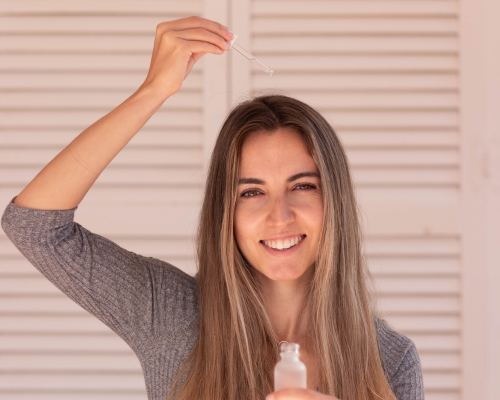
Essential fatty acids for strong, healthy hair
The importance of essential fatty acids for hair
Essential fatty acids, such as omega-3 and omega-6, play a vital role in hair health. They help moisturize the scalp, strengthen the natural lipid barrier, and improve overall hair texture. A proper balance of these fatty acids helps prevent dryness and brittleness, while adding shine and suppleness.
Roles of the main fatty acids
- Omega-3 : These fatty acids help nourish hair follicles and reduce inflammation that can cause hair loss. They also promote circulation to the scalp, which is essential for hair growth.
- Omega-6: Known for its moisturizing properties, omega-6 helps retain moisture in the scalp, reducing the risk of brittle hair and itching.
Incorporating these crucial nutrients into your daily diet can significantly influence the vitality and health of your hair.
Food sources rich in essential fatty acids
Sources of omega-3
- Oily fish: Salmon, mackerel, and sardines are rich in omega-3 fatty acids and protect hair from drying out.
- Flax seeds: An excellent vegetarian source of omega-3 that contributes to scalp health.
- Chia: These small seeds are a remarkable source of fatty acids and give hair a creamy texture.
Sources of omega-6
- Safflower oil: Rich in omega-6, it promotes moisture retention.
- Nuts: A natural source of omega-6 that helps maintain hair suppleness.
- Sunflower seeds: Provide a significant supply of essential fatty acids to strengthen natural curls.
Focusing on these sources of essential fatty acids can not only improve the appearance of your hair, but also its long-term health.
Frequently Asked Questions (FAQ)
Which foods promote rapid hair growth?
Fatty fish, eggs, and spinach are among the most effective foods for stimulating hair growth thanks to their high content of essential nutrients.
What is the best vitamin for preventing hair loss?
Vitamin B, particularly biotin, is well known for preventing hair loss by strengthening hair structure and resilience.
How many times per week should I consume foods rich in omega-3?
It is recommended to eat fatty fish or other sources of omega-3 at least twice a week to ensure sufficient intake and promote healthy hair.
Does hydration play a role in hair health?
Yes, proper hydration is essential for maintaining a healthy scalp and preventing dry hair, which can lead to brittleness and breakage.
Can you achieve healthy hair through diet alone?
Although diet plays a crucial role in hair health, proper hair care habits and a healthy lifestyle are also essential.
“`